
Athletes
Elite, amateur or returning to training: running, jumping, strength, cycling, tennis, football, riding, climbing and sport-specific movement.
Assessments for athletes and studies coordinated with professionals, through a capture, analysis and reporting workflow designed to protect each case.
Your message is delivered directly to the responsible team through a private channel.
We observe how you move, which task provokes symptoms and which compensations repeat. The outcome is a functional map to discuss with your professional and decide next steps.
Elite, amateur or returning to training: running, jumping, strength, cycling, tennis, football, riding, climbing and sport-specific movement.
Discomfort while sitting at work, standing up, walking, climbing stairs or holding postures for hours.
A baseline and follow-up comparisons to see whether movement changes, without promising diagnoses or cures.
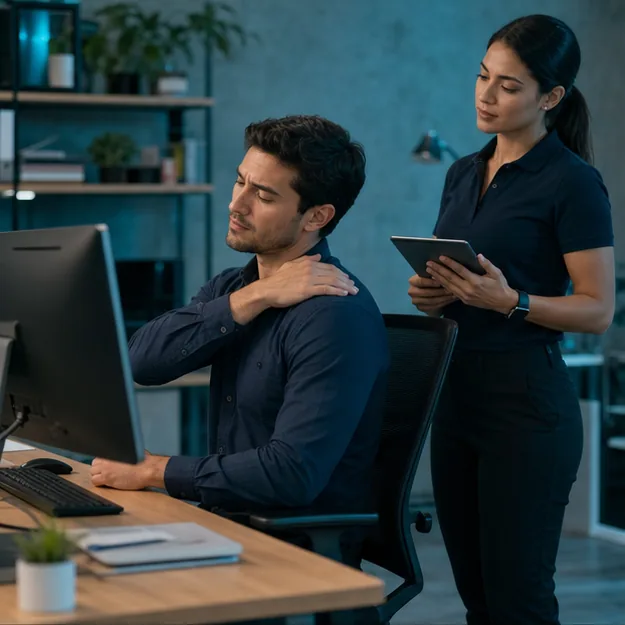
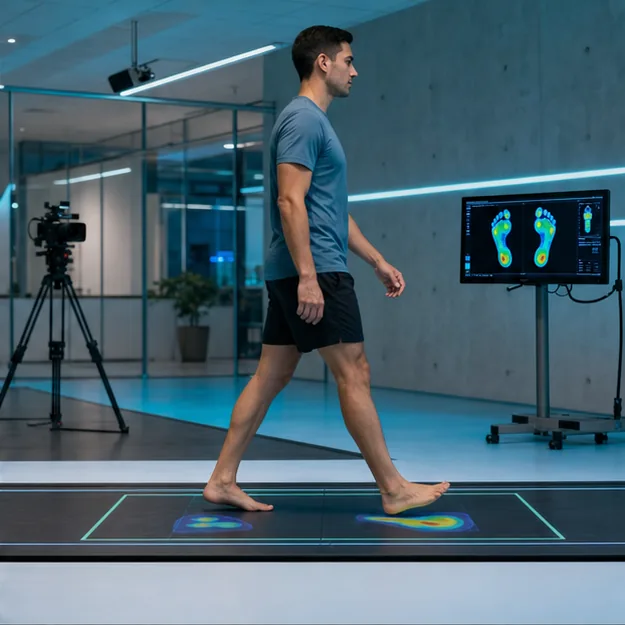
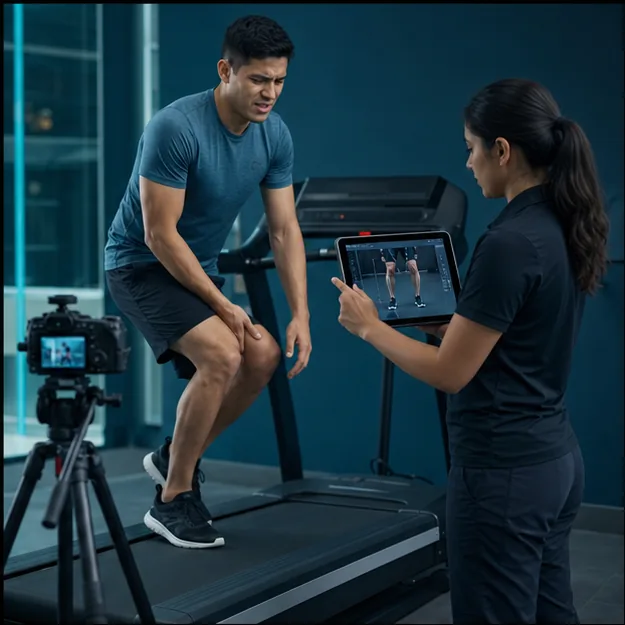
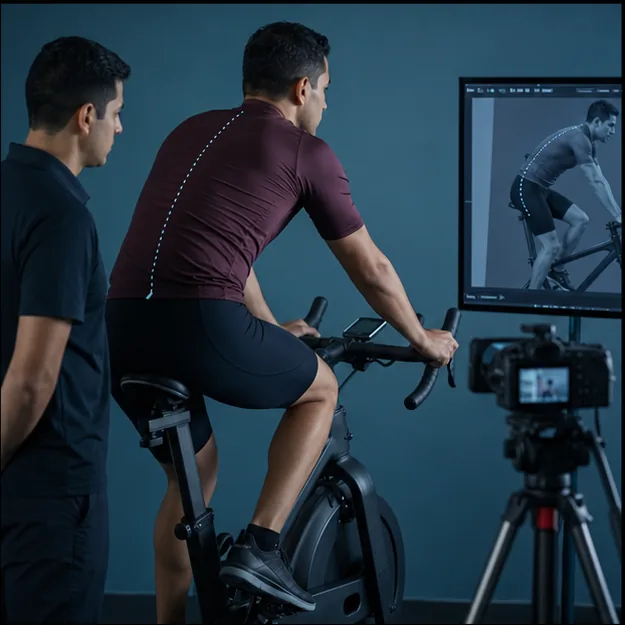
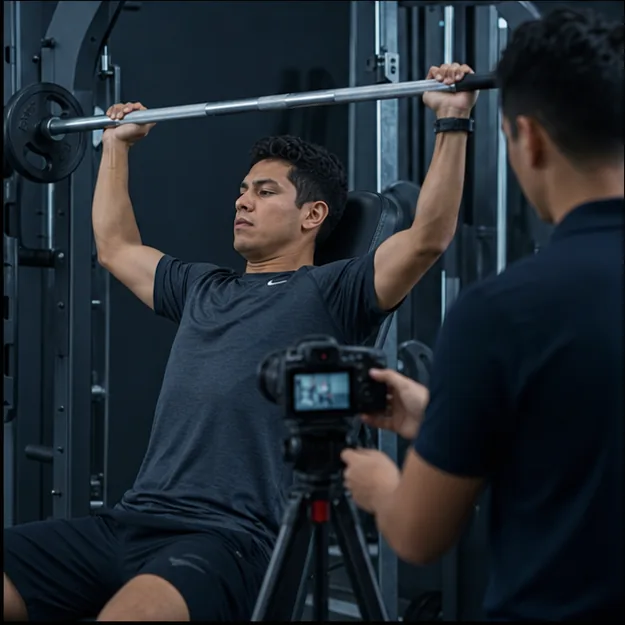
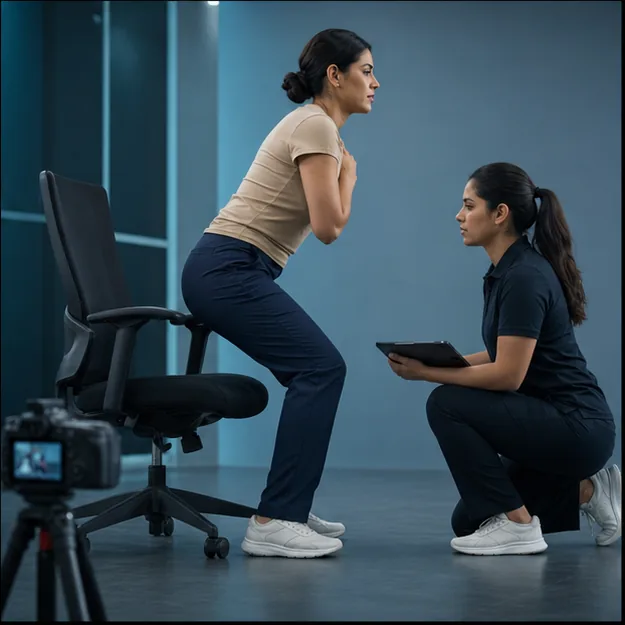
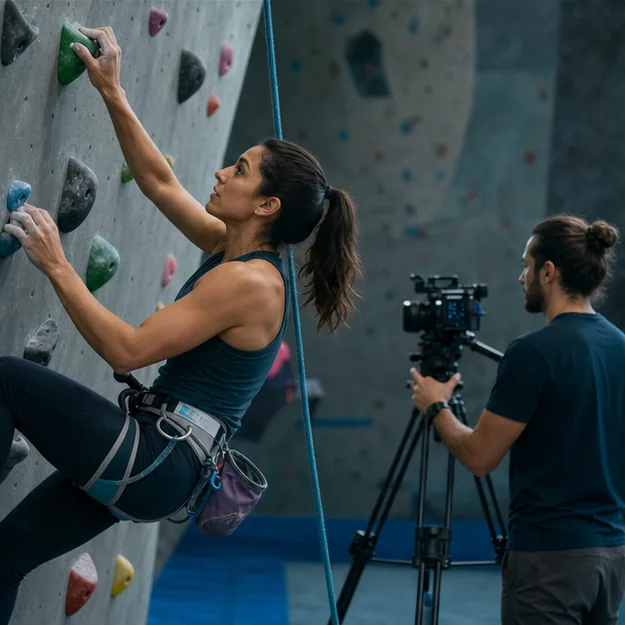
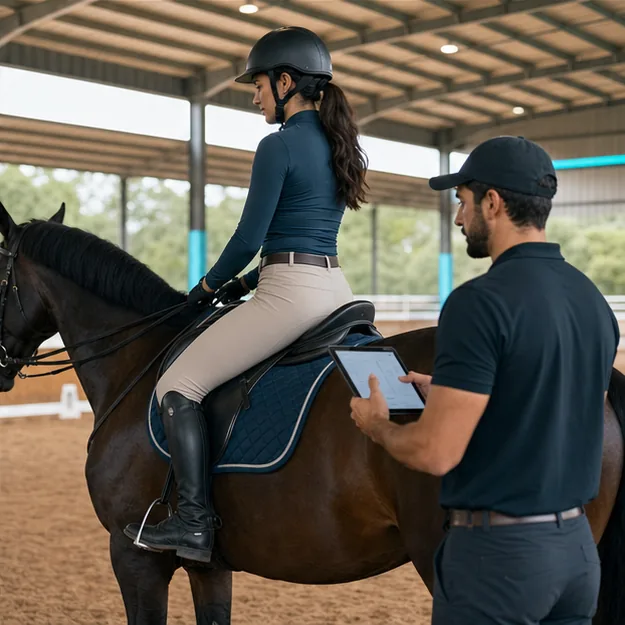
A visible deviation may be relevant, incidental or compensatory. Every finding is interpreted alongside symptoms, history, load, capture quality and professional examination.
We measure: Cadence, stride, hip–knee–foot alignment, dynamic valgus/varus, impact and symmetry.
Possible tests: Running, step-down, single-leg squat and landing.
We measure: Pelvic control, rotation, extension, lateral stability and trunk compensations.
Possible tests: Gait, running, single-leg stance, squat and step-up.
We measure: Trunk–pelvis movement, flexion/extension tolerance, asymmetry and symptom-provoking tasks.
Possible tests: Gait, sit-to-stand, hip hinge and guided functional tests.
We measure: Head position, scapular rhythm, reach, arm elevation and sustained load.
Possible tests: Desk work, cervical mobility, reach and sport-specific movement.
We measure: Rotation, side-bending, respiratory control and thorax–pelvis relationship.
Possible tests: Trunk rotation, push, pull and seated posture.
We measure: Angles, speed, stability and load distribution during grip, support and throwing.
Possible tests: Press, pull, tennis, climbing and repetitive tasks.
We measure: Contact, center-of-pressure progression, pronation/supination, dorsiflexion and symmetry.
Possible tests: Gait, running, heel raise and single-leg balance.
We measure: Technical efficiency, useful range, power, intersegmental coordination and session-to-session change.
Possible tests: Sprint, jump, strength, cycling and sport-specific movement.
We refer for urgent care when there is major trauma, severe or progressive pain, fever, loss of strength or sensation, bladder/bowel changes, unexplained night pain or another red flag.
For low back pain, NICE advises against routine imaging in non-specialist care when serious pathology is not suspected; this does not make video diagnostic, but supports reasoned initial assessment and referral when appropriate.